
Traumatic Brain Injury
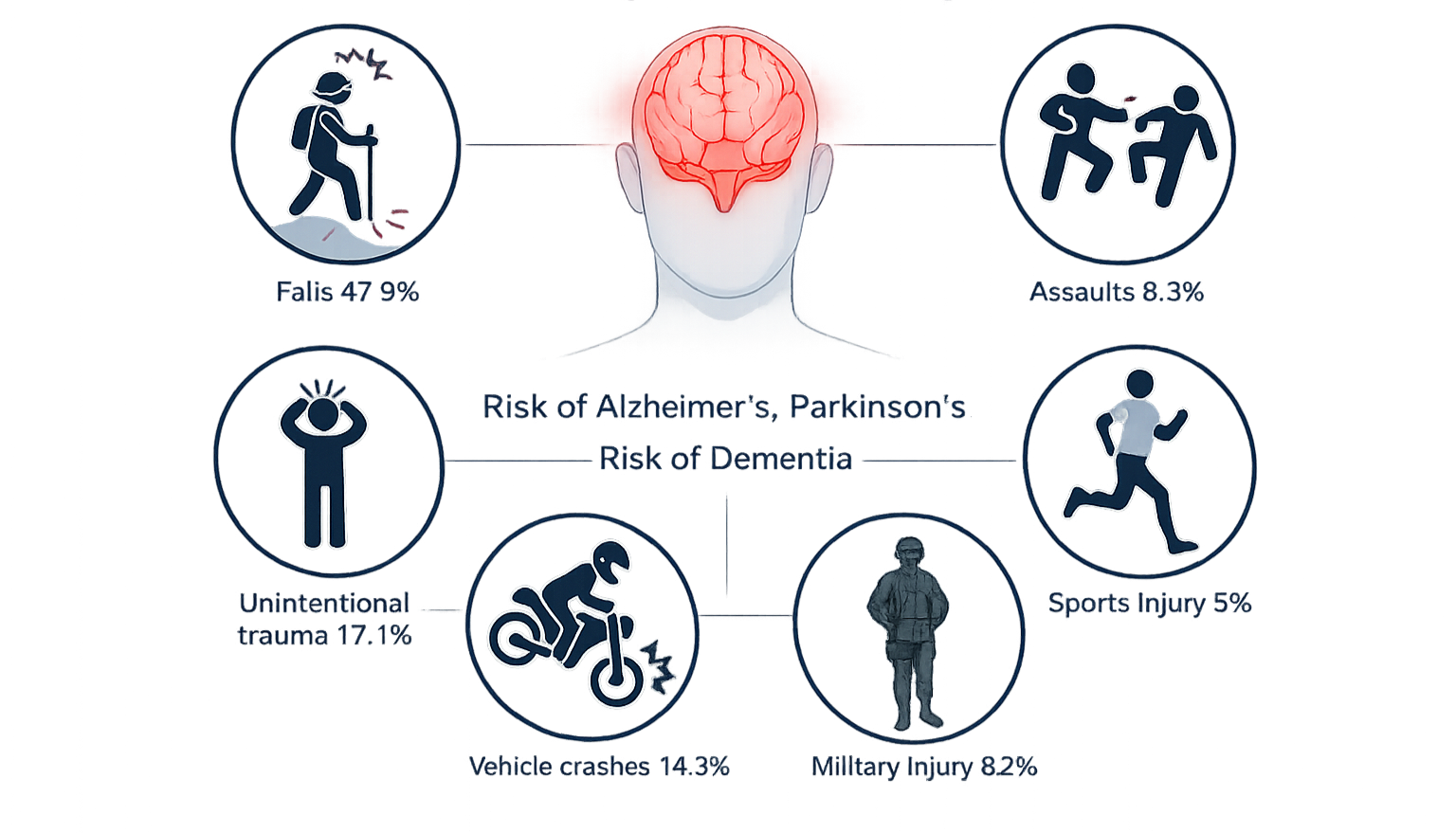
Traumatic brain injury (TBI) is a leading cause of long-term neurological disability worldwide, affecting millions of individuals each year and imposing a substantial burden on patients, families, and healthcare systems. Even mild injuries can result in persistent cognitive impairment, personality and mood changes, and an increased risk of neurodegenerative diseases such as Alzheimer’s and Parkinson’s.
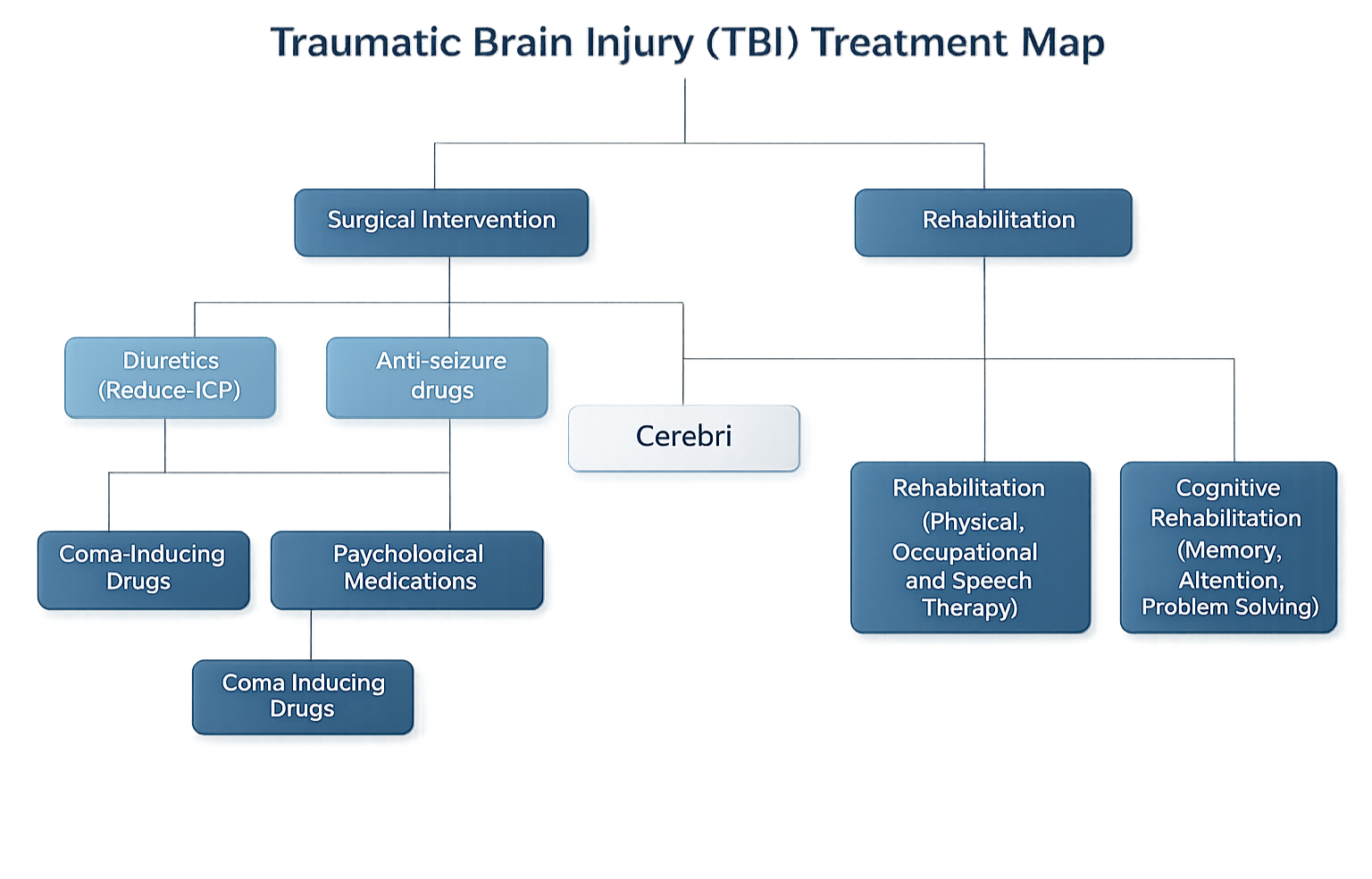
Despite its prevalence and long-term impact, current TBI treatment is largely limited to acute stabilization and supportive care, including surgery, pharmacological interventions, and rehabilitation therapies. These approaches focus on managing symptoms and preventing immediate complications but do not address the underlying biological damage to the brain.
This fragmented treatment landscape underscores a critical unmet clinical need. There are currently no disease-modifying therapies capable of repairing injured neural tissue or preventing progressive cognitive decline and long-term neurodegeneration. Advancing therapies that promote true brain recovery represents one of the most urgent challenges and opportunities in modern neurological medicine.
CEREBRI
Cerebri represents a fundamentally new therapeutic category within the traumatic brain injury treatment map. While existing approaches—surgery, pharmacological interventions, and rehabilitation—focus on stabilizing patients and managing symptoms, Cerebri is designed to directly target the underlying biological damage caused by TBI.
Cerebri’s first-in-class astrocyte-based cell therapies and astrocyte-derived extracellular vesicles (EVs) harness the natural regenerative and neuroprotective functions of astrocytes to promote neural repair, reduce inflammation, and support synaptic recovery. Unlike conventional drugs that modulate isolated pathways, Cerebri’s platform delivers complex, biologically active signals that mirror the brain’s own repair mechanisms.
Within the treatment map, Cerebri occupies a novel position bridging pharmacological intervention and regenerative medicine—introducing a disease-modifying approach aimed at restoring brain function rather than merely compensating for lost function. This positions Cerebri as a transformative therapy capable of altering the long-term trajectory of TBI, with the potential to prevent chronic cognitive impairment and reduce the risk of progressive neurodegeneration.
In contrast to symptomatic treatments such as anti-seizure drugs or rehabilitation therapies, Cerebri’s approach addresses the root causes of injury by enabling true neurological recovery.
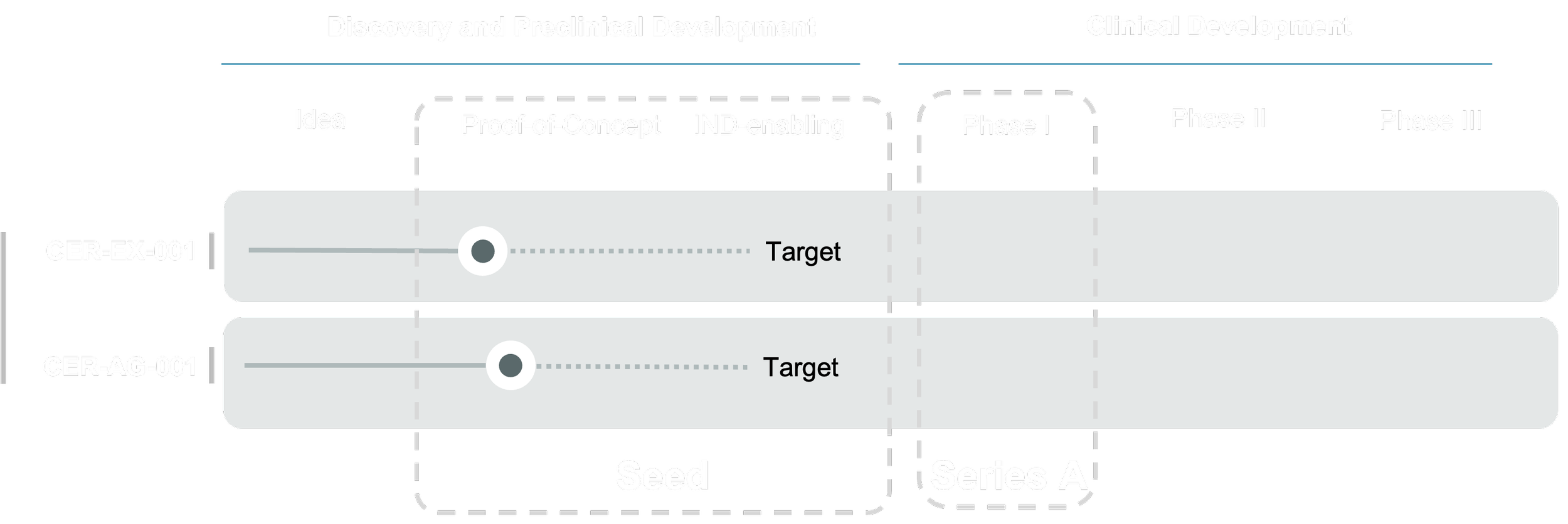
Cerebri’s pipeline is built to convert proprietary innovation into clinical-stage assets, with two lead programs progressing toward IND submission and first-in-human trials. This structured development strategy creates clear value inflection points while establishing a platform for expansion into multiple high-value neurological indications.

Contact us
Interested in working together, collaborating or investing? Fill out some info, and we will be in touch shortly. We can’t wait to hear from you!